DESTINATION & COMMERCIAL CHARGING
Charging That Fits the Customer’s Dwell Time and the Site’s Electrical Reality.
For hotels, retail, offices, dealerships and commercial parking, the right solution may be AC, compact DC or a mix — depending on how long vehicles stay and what the site can support.
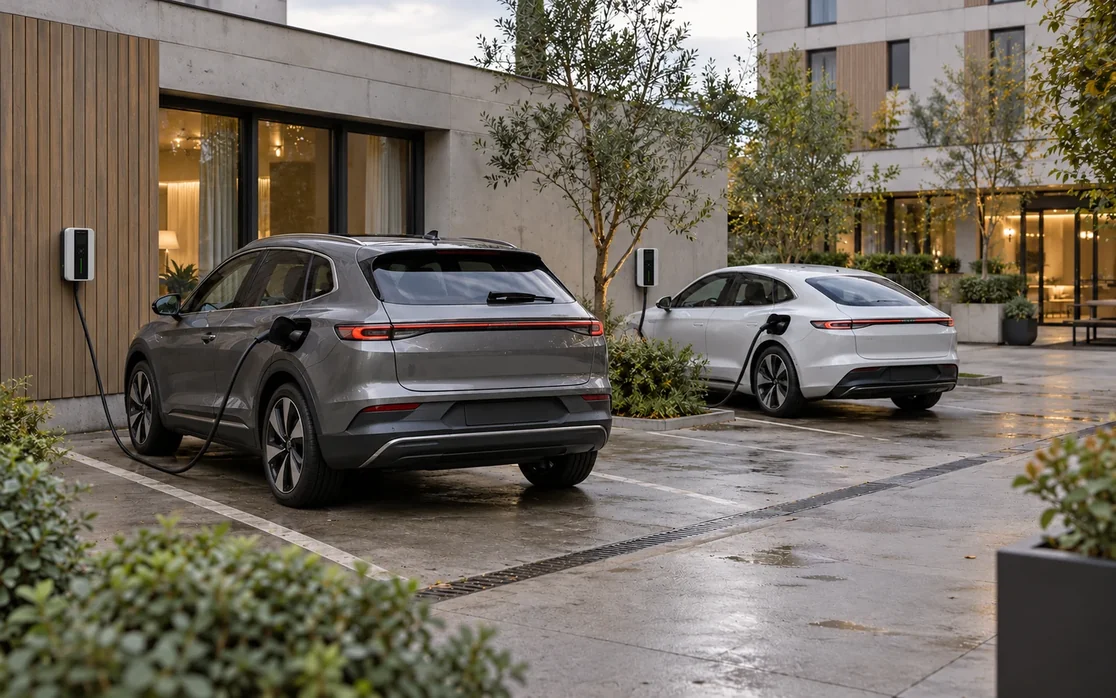
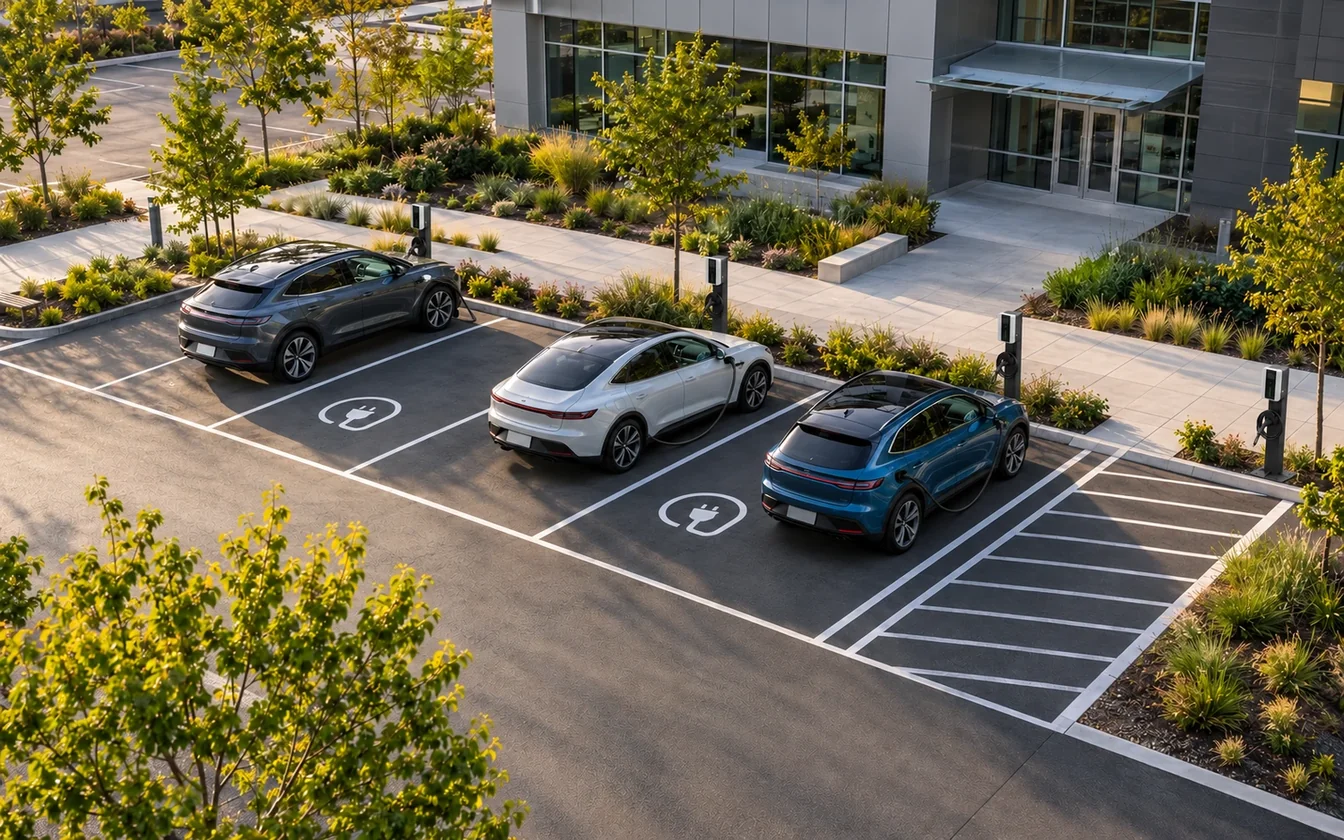
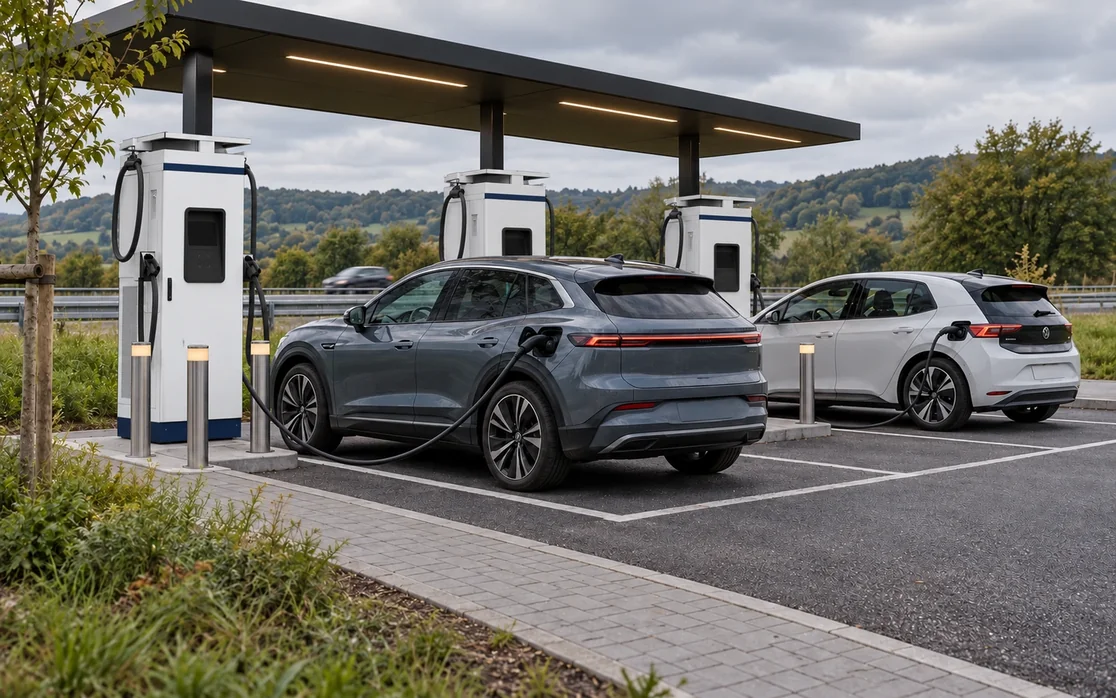
ILLUSTRATIVE SITE CONTEXT
See the Charging Requirement in Its Operating Context.
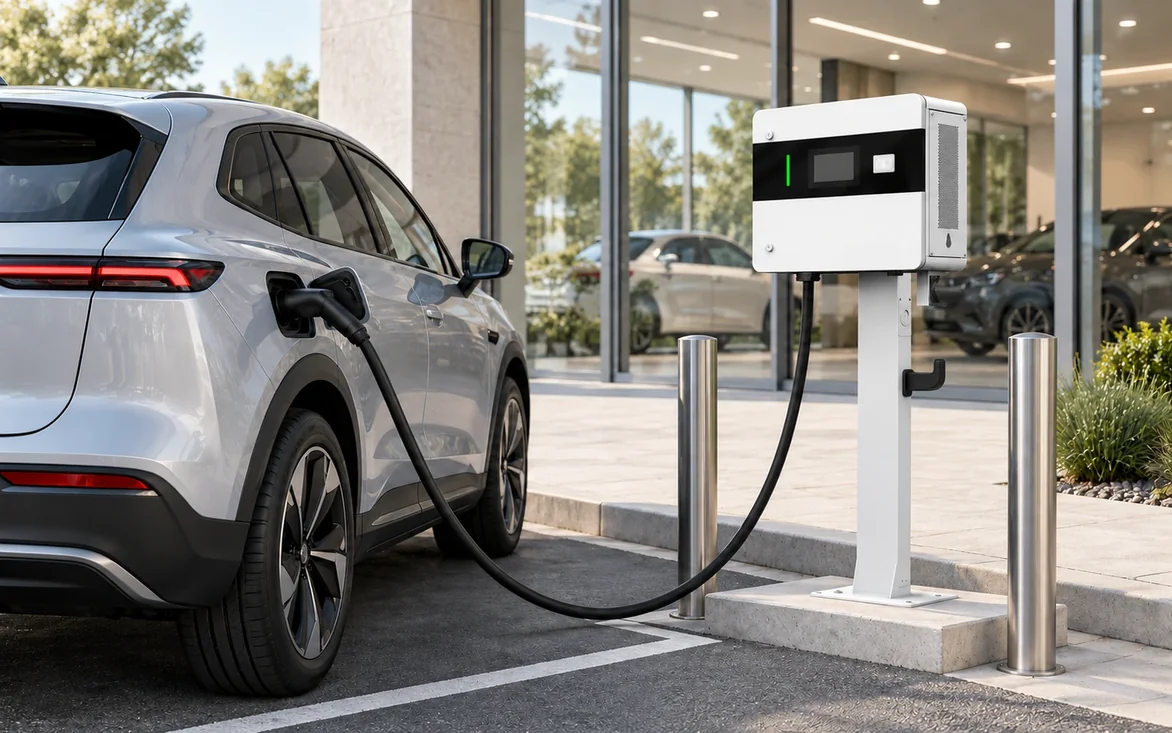
Key Design Questions
How Long Do Vehicles Stay?
Dwell time is often more important than headline charger power.
How Much Power Is Available?
Existing electrical capacity and future expansion determine whether AC, DC or load management is the better investment.
What Is Charging Meant to Achieve?
Customer amenity, direct charging revenue, property differentiation and fleet support lead to different configurations.
Who Uses the Charger?
Guest, employee, tenant, dealer or public-user access affects authentication, payment and backend requirements.
Commercial Charging Layout
- 01Building / Grid Supply
- 02Distribution Board
- 03AC Chargers + Compact DC
- 04Parking Bays
- 05Optional Backend / Access Control / Load Management
Typical Configurations
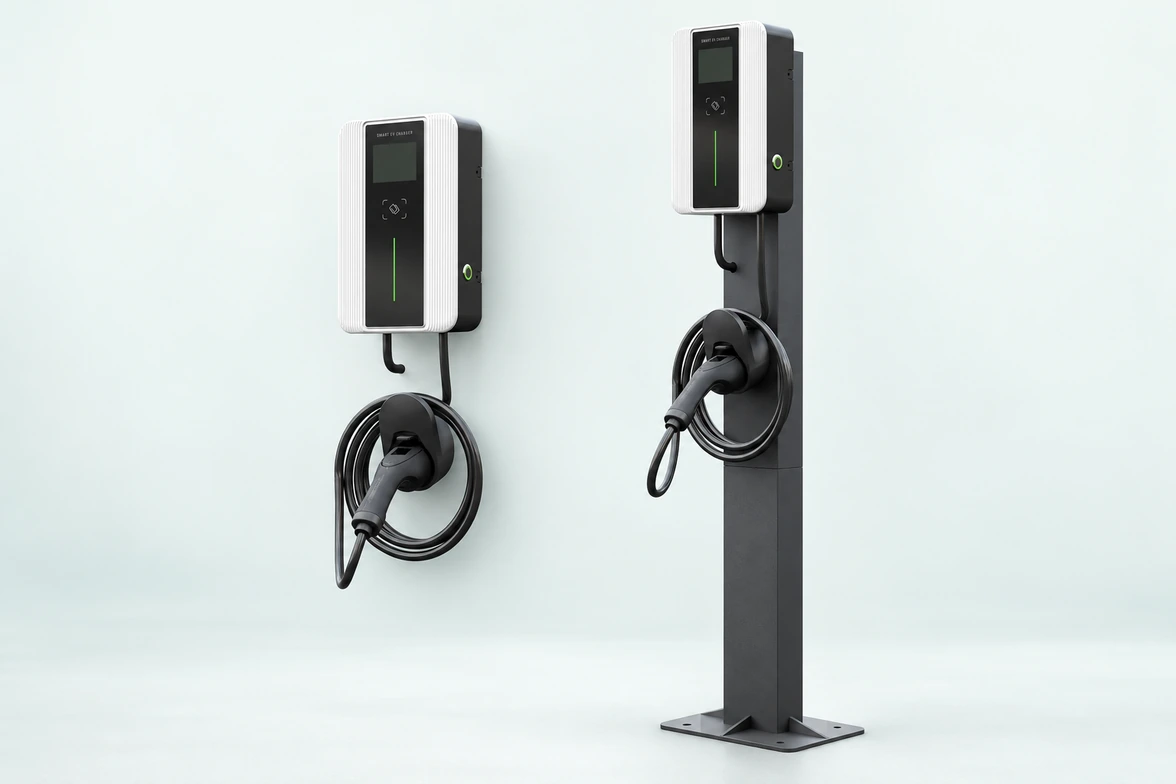
AC Destination Charging
Suitable where vehicles remain parked long enough for lower-power charging to deliver the required energy.
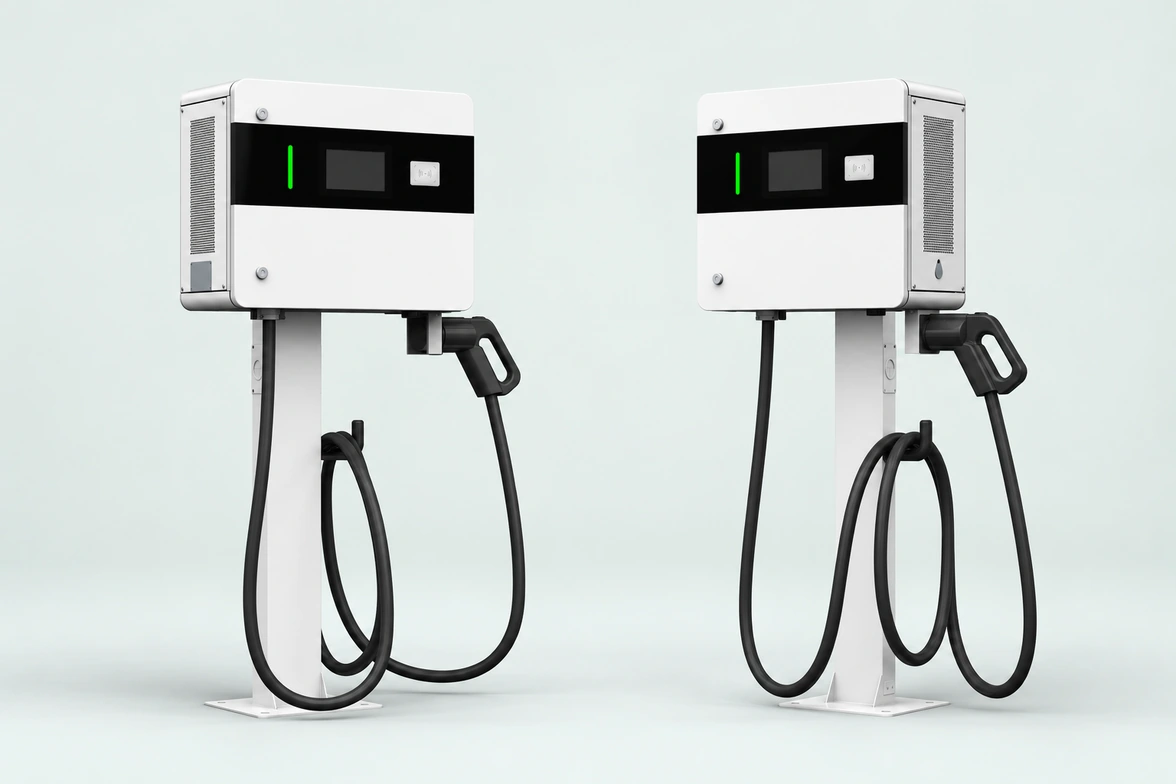
40kW Compact DC Chargers
Useful where a commercial site needs faster turnover without moving directly to a large public fast-charging installation.
Mixed AC + DC
A mixed layout can separate long-dwell charging from faster-turnover bays while using site power more deliberately.
Information We Need
Share the site type, expected users, dwell time, number of bays, available electrical capacity, access or payment requirement, target market and expansion plan. We can then recommend a practical AC, DC or mixed configuration.
Frequently Asked Questions
AC or DC for a Hotel or Retail Site?
Start with dwell time, available power and the purpose of charging. Long-stay parking often supports AC, while sites that need faster turnover may justify compact DC or a mixed layout.
Do We Need Payment or User Authentication?
That depends on whether charging is a free amenity, tenant or employee benefit, customer service, or paid public service. The access model should be defined before the backend and communication configuration.
Recommended Products & Services