PUBLIC CHARGING & CPO
Public Charging Designed Around Utilization, Uptime and Future Growth.
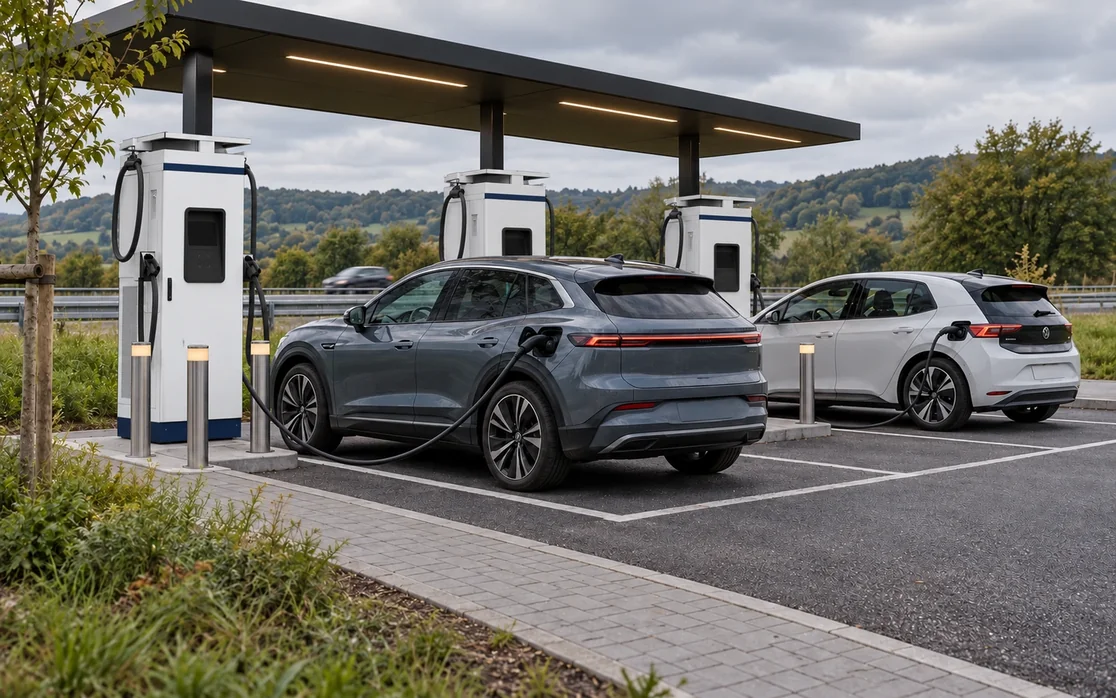
For CPOs and public fast-charging projects, the charger must fit the vehicle mix, traffic pattern, site power and commercial model — not just a headline kW target.
DESIGN INPUTS
Start With Demand, Not Just Charger Power.
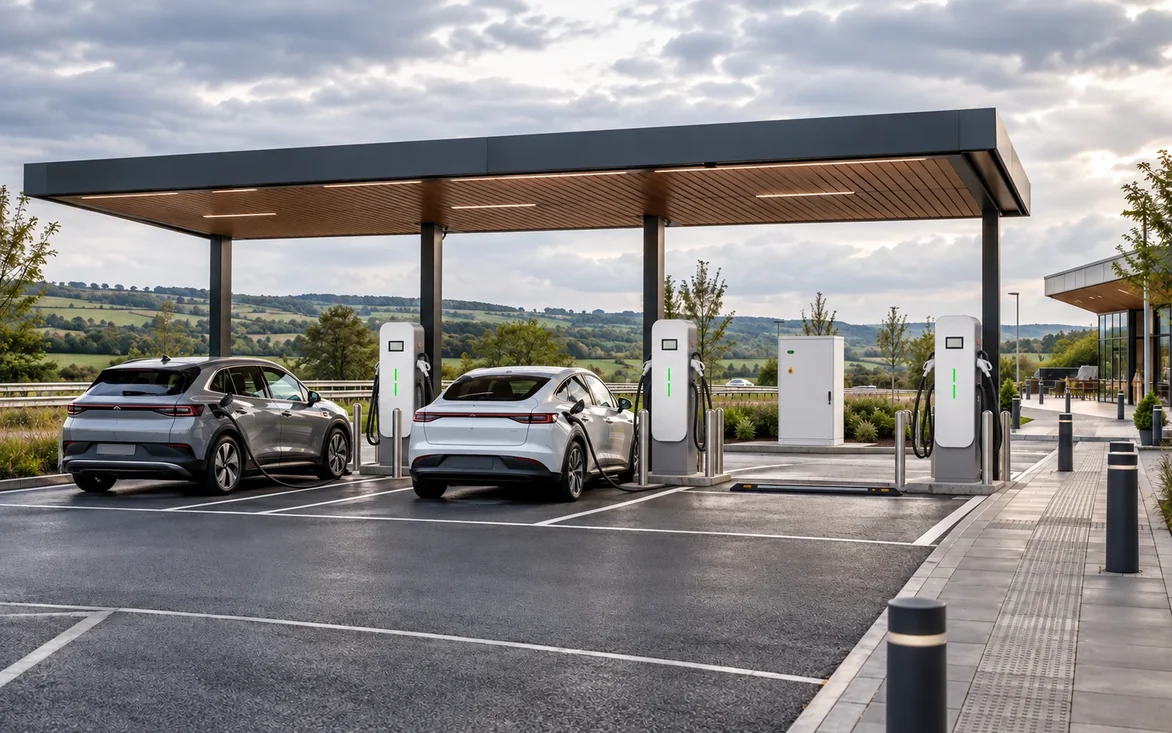

Vehicle Mix
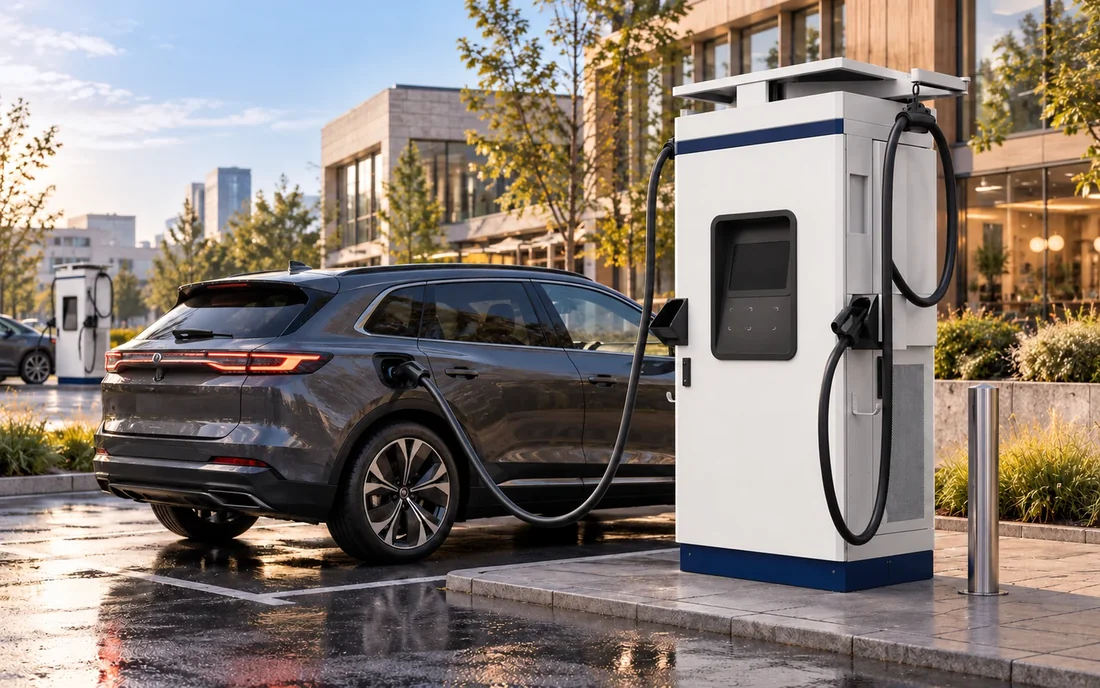
Passenger cars, ride-hailing, vans and commercial vehicles can create very different charging-power and connector requirements.
Traffic Pattern
Peak arrival periods, dwell time and repeat-user behavior determine how many bays need to charge simultaneously.
Site Power
Grid capacity, transformer size, cable distance and load-management strategy can be more important than the charger nameplate rating.
Site Economics
Utilization, energy cost, CAPEX, revenue model and expansion timing should guide charger quantity and power allocation.
Public Charging Architecture
- 01Grid / Transformer
- 02Site Distribution
- 03120–480kW DC Chargers
- 04Multiple Charging Bays
- 05Backend / OCPP / Load Management
Typical Product Path
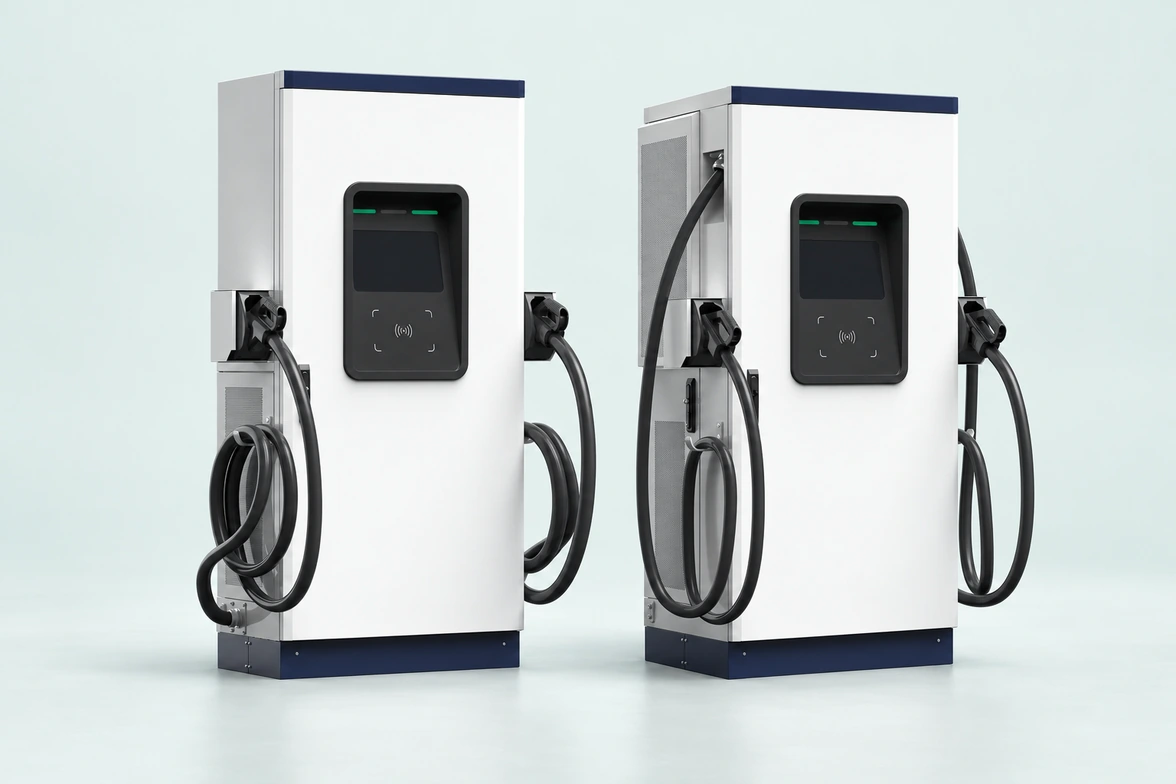
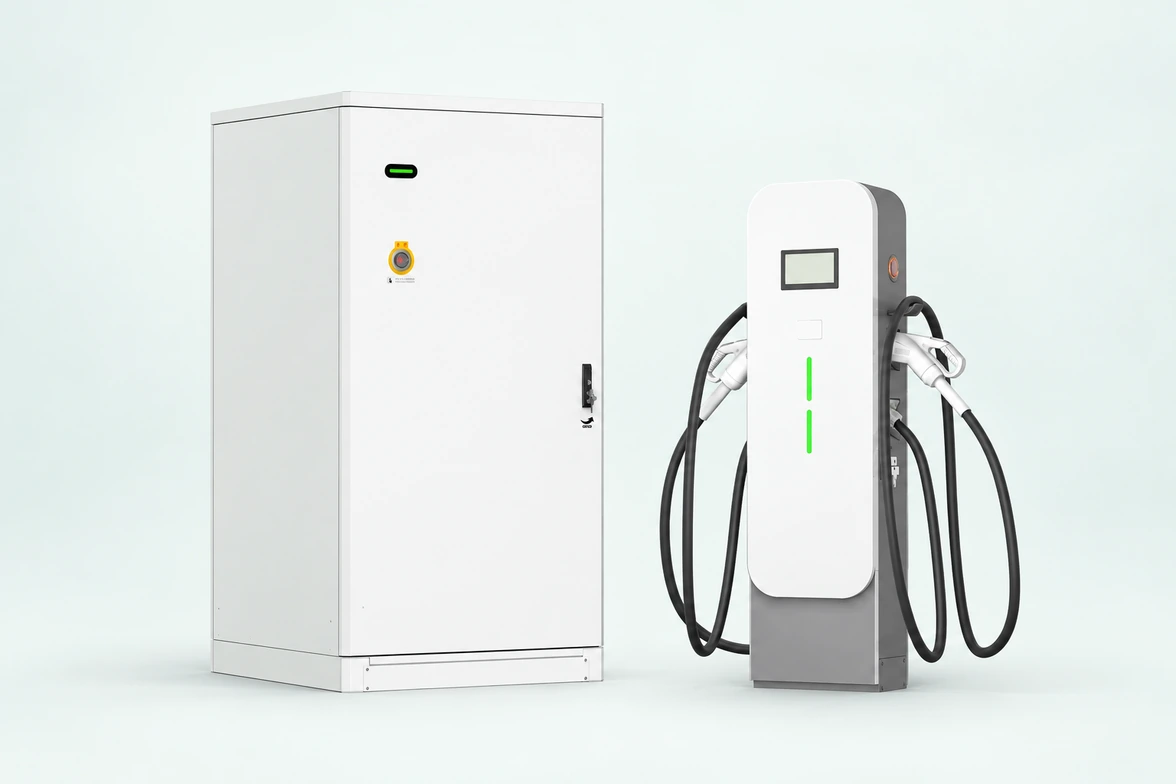
120–480kW integrated DC is a practical starting point for many public sites. Higher-power integrated or split architectures can be considered when the vehicle mix, charging window and site electrical conditions justify the additional power.
Commercial Questions to Resolve Early
Utilization
How many charging sessions are expected per bay and per day, and how concentrated are the peaks?
Energy Cost
What tariff structure, demand charges or on-site energy resources affect the operating cost?
Expansion
Should the first phase reserve electrical capacity, civil works or space for additional charging bays?
Information We Need
Share the target vehicle mix, connector requirement, expected traffic, charging window, available site power, planned number of bays, backend requirement and rollout timeline. We can then narrow down a suitable charger and site configuration.
Frequently Asked Questions
How Much Power Should the First Site Install?
The answer depends on vehicle demand, simultaneous sessions, available grid capacity and expansion strategy. Oversizing equipment before utilization is understood can weaken project economics.
When Does Storage Make Sense?
Storage is worth evaluating when grid capacity, peak demand, tariffs or site expansion create a specific constraint. It should solve a measurable site problem rather than be added by default.
Recommended Products & Services